

How to verify Smart Contracts in the MintMe explorer
Use the instructions for your contract version. MintMe v2 tokens use a different contract from legacy MintMe tokens; the legacy source cannot verify a v2 deployment. These instructions apply to tokens deployed on the MintMe blockchain. Ethereum proxy deployments require their own sources and settings.
- Log in to your MintMe account and open My Token.
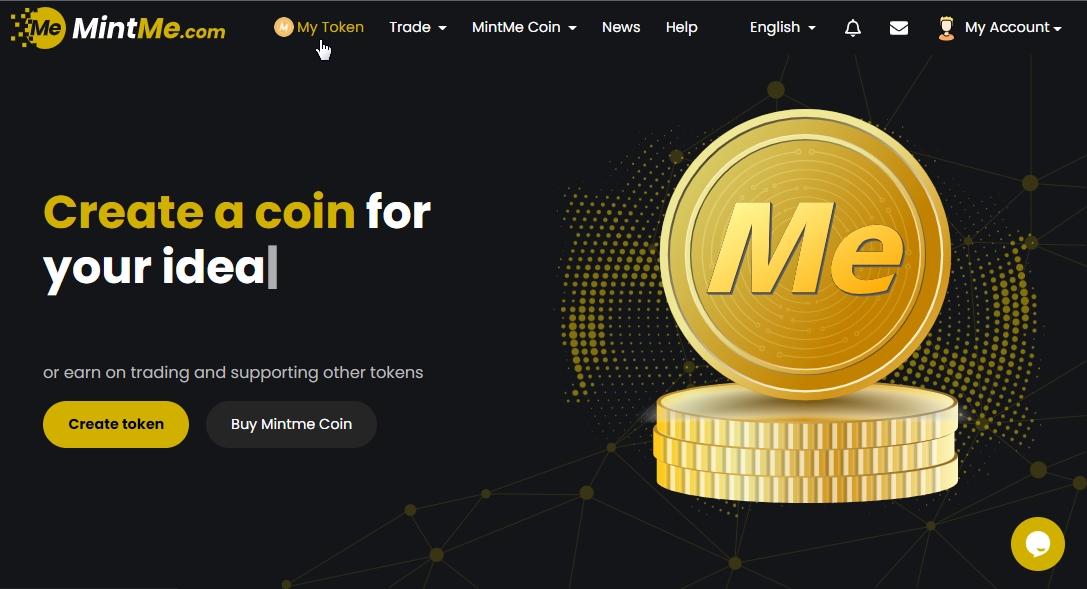
- Copy your token's smart contract address on the MintMe blockchain.
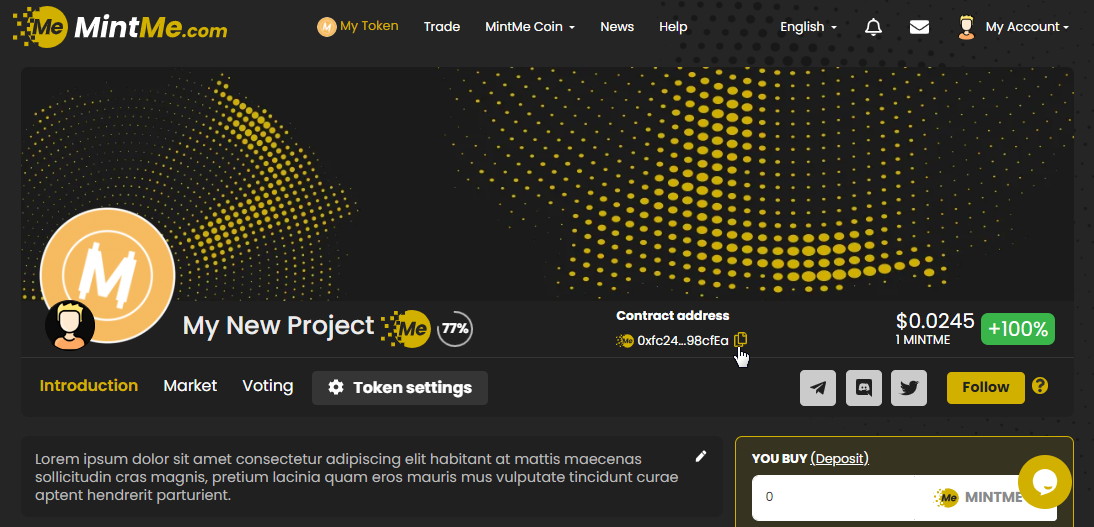
- Open the MintMe Explorer and search for that address.
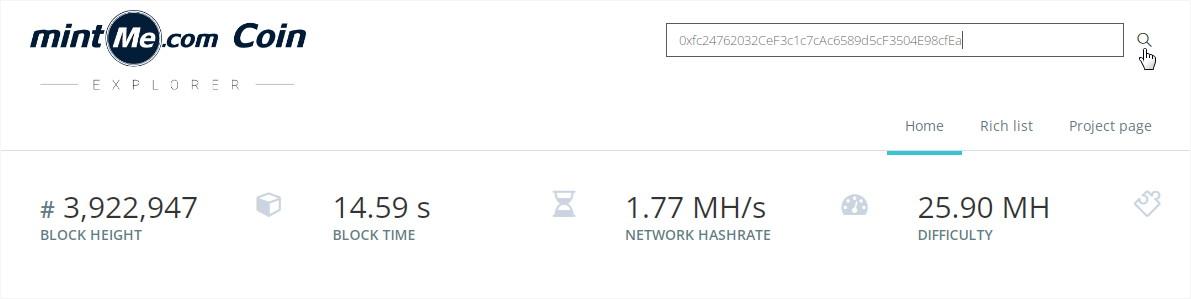
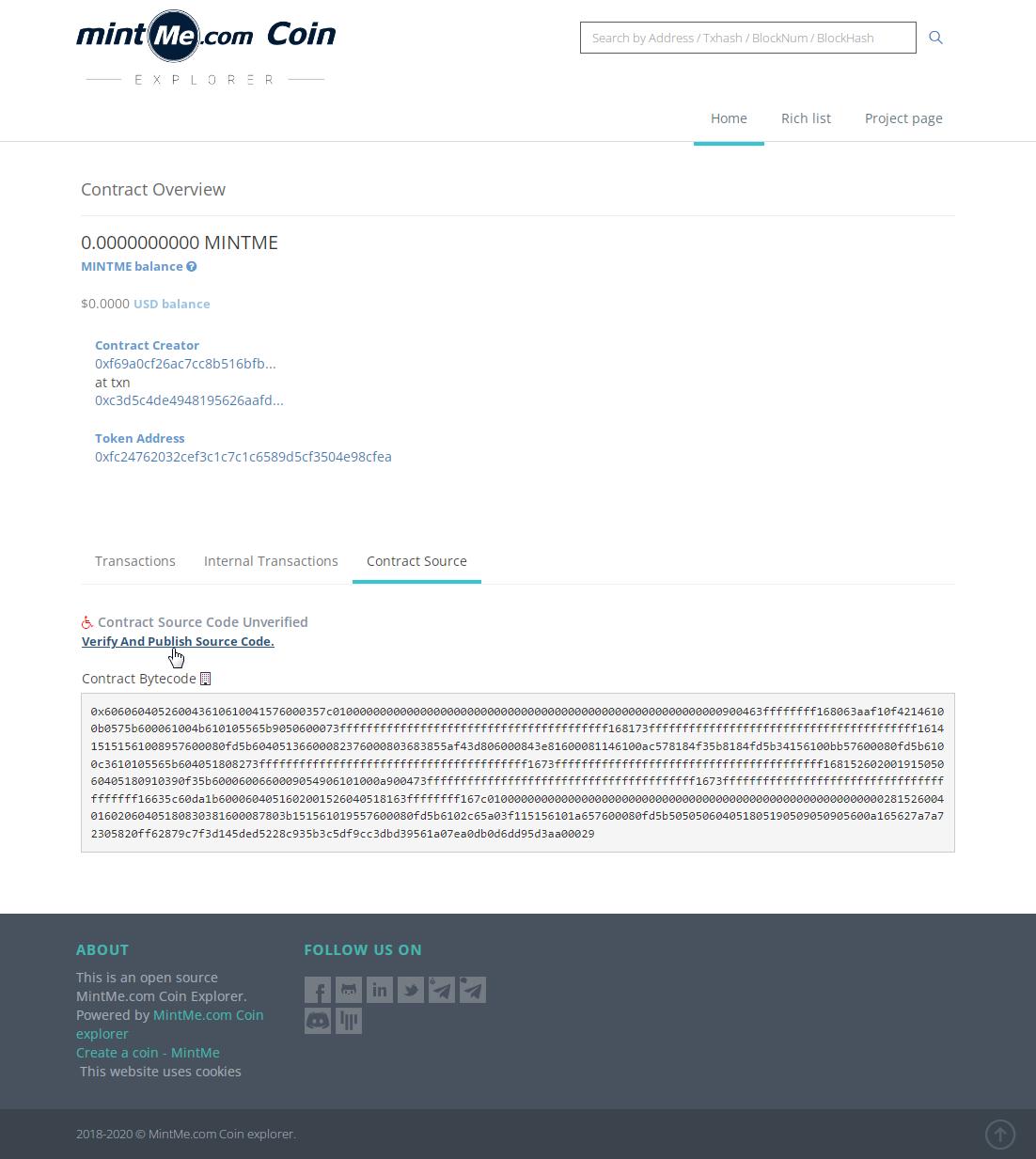
- Open Contract Source, then select Verify And Publish Source Code.
MintMe v2 token contracts
Use this section for MintMe v2 ERC20Token deployments.
- Download the MintMe v2 verification file and open it in a text editor. It includes the original contract and all required dependencies. Copy the complete file without changing source paths, source contents or settings.
- Set Source format to Solidity Standard JSON and paste the complete file into Contract Code.
- Set Contract Name to ERC20Token. Select the compiler entry labelled 0.8.28, without a nightly suffix. This entry uses v0.8.28+commit.7893614a; the full identifier is not displayed in the dropdown.
- The verification file supplies the required settings: EVM paris, optimization disabled and OpenZeppelin 5.2.0 sources. The optimization checkbox is ignored in Standard JSON mode. Leave Constructor Arguments empty: this explorer checks deployed runtime bytecode, and these arguments are not required for MintMe v2 verification.
- Click Validate Code. After successful verification, open the contract address to see the published source and ABI.
Do not replace the compiler with the latest version, flatten the source files or substitute newer OpenZeppelin dependencies. Those changes can produce different bytecode or metadata. If the verification file does not match your contract, contact support with its address so the deployment version can be identified.
Legacy MintMe token contracts
Use this section only for the original proxy-based Token contract compiled with Solidity 0.4.18.
- Choose Solidity source (single file) as the source format. Paste the following code into Contract Code:
pragma solidity ^0.4.18;


contract EternalStorage {


   mapping(bytes32 => uint256) internal uintStorage;


   mapping(bytes32 => string) internal stringStorage;


   mapping(bytes32 => address) internal addressStorage;


   mapping(bytes32 => bytes) internal bytesStorage;


   mapping(bytes32 => bool) internal boolStorage;


   mapping(bytes32 => int256) internal intStorage;


}


contract UpgradeabilityStorage {


   string internal _version;


   address internal _implementation;


   function version() public view returns (string) {


       return _version;


   }


   function implementation() public view returns (address) {


       return _implementation;


   }


}


contract TokenImplAddress is EternalStorage, UpgradeabilityStorage {}


contract Proxy {


   TokenImplAddress implAddress;


   function getImplementation() public view returns (address) {


       return implAddress.implementation();


   }


   function () payable public {


       address _impl = getImplementation();


       require(_impl != address(0));


       assembly {


           let ptr := mload(0x40)


           calldatacopy(ptr, 0, calldatasize)


           let result := delegatecall(gas, _impl, ptr, calldatasize, 0, 0)


           let size := returndatasize


           returndatacopy(ptr, 0, size)


           switch result


           case 0 { revert(ptr, size) }


           default { return(ptr, size) }


       }


   }


}


library SafeMath {}


contract Token is EternalStorage, Proxy {


   using SafeMath for uint256;


   function Token(address impl) public {


       implAddress = TokenImplAddress(impl);


       addressStorage[keccak256("owner")] = msg.sender;


   }


}
- Set Contract Name to Token, select compiler 0.4.18 and leave Optimization Enabled unchecked. Click Validate Code.
If you are unsure which contract version you have, contact support with the contract address before choosing a verification file. A verification mismatch does not mean you need to redeploy your token.